
Today, HB 241 passed the Utah State House by a vote of 40-35. I hope you will take a moment to read Rep. Phil Riesen's response to this bill after my short comment.
If a human being is going to live in our community I would rather they be here legally. However, if that human being happens to be living in our community and is undocumented I still want them to be educated. We all benefit when we educate young people regardless of their situation.
Click here to see how your representative voted.
Let me outline my reasons this way:
Immigration and the various issues surrounding it is such an important topic today because it is a poignant reminder of how quickly our communities and demographics are changing. And sometimes human nature dictates that when we fear change, we tend to lash out at those we perceive responsible for the changes.
Undocumented workers - and in this case their children - are an easy target because they have no legal ground to fight on, so it falls to us to fight for them. And the logic that we should not pay anything for people who are not legally part of our society is so temptingly simple.
If we create laws in this body that either criminalize or further disenfranchise an entire group of people, not only will we create a further burden on taxpayers to deal with this problem, but we will create yet another generation of society split along lines of race or class.
That has never been what Utah has been about and it shouldn’t be now.
Certainly, those who are the target of this bill are the young people among us, who while having no input into the decision their family made to come to this country illegally, have in spite of that decision, bought into the American Dream of making a better life for themselves. And for them, as it has been for all of us, education is the key to the creation of a better life. These young people have worked through our public education system, attended high school in Utah for three or more years, graduated and are now paying their own way through our system of higher education.
As we consider the more than 20 immigration-related bills and resolutions that will come before us this session, I hope we’ll balance our fears and uncertainty surrounding the flood of undocumented workers and our disappointment with Congress’ inability to enact comprehensive immigration laws with a sense of compassion.
I was reminded recently of a story that seems relevant to our discussion today.
The story comes from the Cherokee Indian Tribe and describes a conversation between an elderly grandfather and his grandson.
“There is a war inside of me between two wolves. One wolf is evil. He represents anger, envy, sorrow, greed, arrogance, guilt, mistrust, resentment, lies, superiority, and ego. The other wolf is good. It represents joy, peace, love, hope, serenity, humility, kindness, empathy, generosity, truth and compassion.
The grandson asked his grandfather, ‘Which wolf will win?’
The grandfather replied, ‘The one we feed.’
In all of these discussions, please nourish “the good wolf.”
I strongly urge you to vote against this bill.
If a human being is going to live in our community I would rather they be here legally. However, if that human being happens to be living in our community and is undocumented I still want them to be educated. We all benefit when we educate young people regardless of their situation.
Click here to see how your representative voted.
Response to HB 241
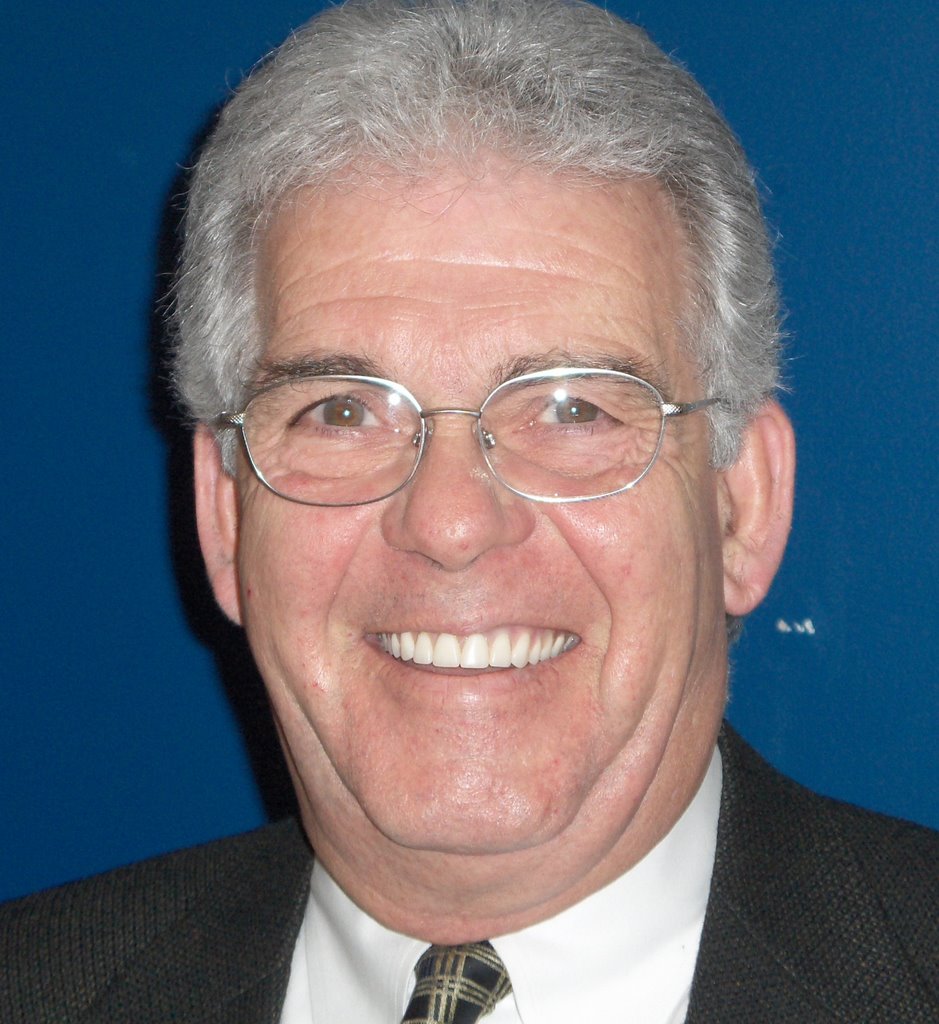
By Representative Phil Riesen
Representatives, I rise to strongly urge you to vote against this bill.
Let me outline my reasons this way:
Immigration and the various issues surrounding it is such an important topic today because it is a poignant reminder of how quickly our communities and demographics are changing. And sometimes human nature dictates that when we fear change, we tend to lash out at those we perceive responsible for the changes.
Undocumented workers - and in this case their children - are an easy target because they have no legal ground to fight on, so it falls to us to fight for them. And the logic that we should not pay anything for people who are not legally part of our society is so temptingly simple.
If we create laws in this body that either criminalize or further disenfranchise an entire group of people, not only will we create a further burden on taxpayers to deal with this problem, but we will create yet another generation of society split along lines of race or class.
That has never been what Utah has been about and it shouldn’t be now.
Certainly, those who are the target of this bill are the young people among us, who while having no input into the decision their family made to come to this country illegally, have in spite of that decision, bought into the American Dream of making a better life for themselves. And for them, as it has been for all of us, education is the key to the creation of a better life. These young people have worked through our public education system, attended high school in Utah for three or more years, graduated and are now paying their own way through our system of higher education.
As we consider the more than 20 immigration-related bills and resolutions that will come before us this session, I hope we’ll balance our fears and uncertainty surrounding the flood of undocumented workers and our disappointment with Congress’ inability to enact comprehensive immigration laws with a sense of compassion.
I was reminded recently of a story that seems relevant to our discussion today.
The story comes from the Cherokee Indian Tribe and describes a conversation between an elderly grandfather and his grandson.
“There is a war inside of me between two wolves. One wolf is evil. He represents anger, envy, sorrow, greed, arrogance, guilt, mistrust, resentment, lies, superiority, and ego. The other wolf is good. It represents joy, peace, love, hope, serenity, humility, kindness, empathy, generosity, truth and compassion.
The grandson asked his grandfather, ‘Which wolf will win?’
The grandfather replied, ‘The one we feed.’
In all of these discussions, please nourish “the good wolf.”
I strongly urge you to vote against this bill.


